
-
Phone:
+1 (571) 642-5526 -
Email:
contact@gccmcorp.com
-
Phone:
+1 (571) 642-5526 -
Email:
contact@gccmcorp.com
- October 14, 2024
- 0 Comments
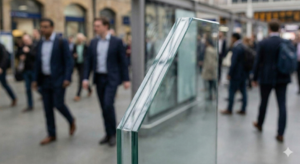
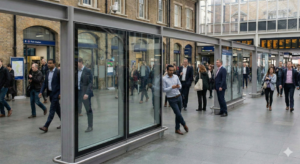
Glass installations in high-traffic environments require careful planning, precise execution, and durable materials. From airports and schools to retail centers and restaurants, these spaces demand glazing solutions that balance safety, performance, and aesthetics. Understanding the key considerations ensures glass systems perform reliably under constant use.
Understanding High-Traffic Environments
High-traffic spaces are subject to continuous movement, frequent contact, and increased wear. Glass systems in these areas must be engineered to handle daily use while maintaining safety, clarity, and structural integrity.
Selecting the Right Glass Type
Choosing the appropriate glass is critical for performance and safety.
-
Tempered glass for impact resistance
-
Laminated glass for enhanced safety and containment
-
Insulated glass units for added durability and thermal performance
These glass types are designed to withstand repeated use and unexpected impacts.
Structural Performance and Framing Systems
Glass performance depends heavily on the supporting framework.
1. Reinforced Framing Systems:
-
Aluminum framing designed for commercial loads
-
Secure anchoring and structural support
- Compatibility with large glass panels
2. Load and Impact Considerations:
-
Designed to resist wind, vibration, and human impact
-
Proper load distribution across mounting points
- Ensures long-term system stability
Building for Safety, Performance, and Longevity
Glass installations in high-traffic spaces must be designed to perform under pressure. By focusing on safety, durability, and professional installation, these systems deliver long-lasting value while enhancing the appearance and functionality of busy commercial environments.